Key Takeaways
- Oak wilt is a serious fungal disease that can rapidly kill red oaks and severely damage white oaks in Maryland Heights, MO.
- The fungus spreads both underground via root grafts and above ground through beetles attracted to fresh pruning cuts and wounds.
- Early symptoms include wilting, bronzing of leaves, rapid leaf drop, and distinct discoloration in sapwood when branches are cut.
- Improper pruning during the growing season can significantly increase oak wilt risk on residential and commercial properties.
- Timely arborist evaluation, sanitation pruning, and careful removal of infected trees can slow or stop localized outbreaks.
- Preventive practices such as proper pruning timing, tool sterilization, and avoiding trunk injuries greatly reduce disease spread.
- Mathias Precision Tree Service provides ISA-guided oak wilt assessments, risk-based removal, and long-term care plans for Maryland Heights oaks.
Oak trees are some of the most valuable trees growing throughout Maryland Heights, Missouri neighborhoods. Mature oaks provide cooling shade, improve curb appeal, support wildlife, and add character to residential and commercial landscapes. However, these trees can face serious health threats, and oak wilt remains one of the most destructive diseases affecting oak populations across Missouri.
Oak wilt is caused by the fungus Bretziella fagacearum, which blocks the tree’s ability to move water through its vascular system. As the infection progresses, the tree struggles to transport moisture from its roots to its leaves. This leads to wilting, leaf discoloration, canopy decline, and eventual tree death. Maryland Heights properties often contain mature oak trees growing close together in yards, along property lines, and near wooded areas. These growing conditions can allow oak wilt to spread more easily because connected root systems can transfer the disease between nearby trees.
A tree that appears healthy in early spring can show severe decline within weeks after infection. Early identification and professional evaluation give property owners the best opportunity to protect valuable trees and limit disease spread.
How Oak Wilt Spreads Between Trees
Oak wilt spreads through two primary pathways:
- underground root connections and
- above-ground insect transmission.
Understanding both methods helps homeowners make better decisions about pruning, tree maintenance, and removal.
Root Connections Between Oak Trees
Oak trees naturally develop extensive root systems underground. When roots from nearby oak trees grow together and form grafts, they create direct pathways where water and nutrients move between trees. Unfortunately, these same connections can allow oak wilt fungus to travel from an infected tree to nearby healthy oaks.
Many Maryland Heights landscapes contain groups of mature oaks planted throughout neighborhoods or left standing from original wooded areas. When one tree becomes infected, nearby oaks may also be at risk even if they appear completely healthy. Arborists often evaluate surrounding trees when oak wilt is suspected because visible symptoms may not appear until the infection has already moved through connected roots.
Insect Transmission Through Fresh Wounds
Small beetles that feed on tree sap can spread oak wilt above ground. These insects are attracted to fresh oak wounds, including pruning cuts, storm damage, and accidental injuries to the bark.
- If an insect carries oak wilt spores and lands on a fresh wound, it can introduce the fungus into a healthy tree. This makes pruning timing extremely important.
- Avoiding unnecessary oak pruning during periods of high insect activity reduces the risk of infection.
- When emergency pruning becomes necessary after storm damage, professional tree care practices help reduce potential disease transmission.
Early Signs of Oak Wilt in Maryland Heights Oak Trees
Oak wilt symptoms can develop quickly, but they are sometimes confused with other tree problems such as drought stress, nutrient deficiencies, or root damage. A professional evaluation helps determine the actual cause of decline. One of the earliest warning signs is –
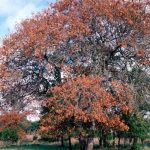
- Unusual leaf discoloration during the growing season. Leaves may turn brown, bronze, or dull green before they normally would in autumn. In many cases, discoloration begins near the outer edges of the leaves and progresses inward.
- Sudden leaf drop is another major indicator. Healthy oaks normally maintain their foliage throughout the growing season, so an oak losing large numbers of leaves during summer should receive professional attention.
- Red oak species often decline faster than white oak species.
- Affected trees may show canopy thinning, branch dieback, and sections of dead growth beginning near the top of the tree.
- Arborists may also examine branch tissue for internal discoloration. Dark streaking within the sapwood can provide additional evidence when diagnosing oak wilt. Because several tree conditions can create similar symptoms, homeowners should avoid removing an oak without confirming the cause of decline.
Which Oak Trees Face the Greatest Risk?
Oak species do not all respond to oak wilt the same way. Identifying the type of oak growing on your property helps determine the level of concern.
- Red oaks, including pin oak and northern red oak, face the highest risk. These trees can decline rapidly after infection and often die within one growing season. Their vascular systems allow the fungus to move aggressively throughout the tree.
- White oak species generally show greater resistance. White oaks and bur oaks may survive longer after infection because their internal structure limits fungal movement more effectively. However, these trees can still experience serious damage and require monitoring.
- Many Maryland Heights properties contain mixed oak populations. Because oak wilt can spread through connected roots, one infected tree may place nearby oaks at risk regardless of species.
Can Oak Wilt Be Prevented or Managed?
Oak wilt management focuses on preventing new infections and limiting the spread of existing disease. Once an oak becomes severely infected, saving the tree may not be possible, especially with red oak species.
- Removing heavily infected trees may become necessary to reduce the chance of further transmission.
- Professional removal requires careful planning because moving infected wood or improperly handling debris can increase risks.
- In some cases, arborists may recommend root disruption methods to limit underground spread between connected trees. These techniques require specialized equipment and careful planning.
- Preventive treatments may also be considered for valuable oak trees near known infection areas. These treatments work best before severe symptoms develop and should be part of a larger tree health strategy.
- Long-term prevention includes maintaining healthy soil conditions, avoiding unnecessary injuries to tree trunks, planting diverse tree species, and scheduling regular inspections.
Why Arborist Evaluation Matters for Oak Wilt
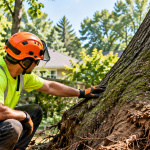
Oak wilt diagnosis requires more than looking at leaves from the ground. Several tree problems can create similar symptoms, including drought stress, root damage, fungal infections, and insect activity. A certified tree service firm in Maryland Heights, Missouri will evaluate the entire tree, including canopy condition and leaf symptoms, branch structure and signs of decline, root zone conditions, nearby oak trees that may be connected underground, and previous pruning or storm damage history. A professional assessment helps property owners understand whether treatment, monitoring, or removal provides the safest option. Early action can protect surrounding trees and prevent a single declining oak from becoming a larger landscape problem.
Mathias Precision Tree Service helps Maryland Heights homeowners and businesses manage oak health concerns with professional tree evaluations and science-based recommendations. We understand the local tree challenges, including severe storms, compacted soils, mature oak populations, and regional disease pressures. Our ISA-Certified Arborists will evaluate declining trees, identify possible oak wilt symptoms, and recommend practical solutions based on each property’s conditions. When removal becomes necessary, our experienced crews use professional equipment, including advanced rigging and crane-assisted methods, to safely remove hazardous trees while protecting surrounding landscapes. If you notice sudden oak decline, unusual leaf loss, or possible disease symptoms, schedule a professional evaluation before the problem spreads. For more information,
Frequently Asked Questions About Oak Wilt in Maryland Heights, MO
How quickly can oak wilt kill a tree in Maryland Heights, Missouri?
Oak wilt can kill highly susceptible red oaks within one growing season. White oaks may decline more slowly, but they can still experience serious health problems.
Can oak wilt spread from my neighbor’s tree?
Yes. Oak wilt can spread through connected root systems and through insects carrying fungal spores. Nearby infected trees may increase risk for surrounding oaks.
Should I remove an oak tree with suspected oak wilt?
Removal may be recommended depending on the tree’s condition, species, and location. An arborist inspection helps determine the safest option.
What time of year is safest for oak pruning in Maryland Heights, Missouri?
Late fall and winter are generally lower-risk periods for oak pruning because insect activity is reduced. Emergency pruning should follow professional disease prevention practices.
Can a healthy oak near an infected tree be protected?
In some cases, preventive treatments and management strategies can help protect valuable trees. Early evaluation improves available options.
Does stump grinding help with oak wilt?
Stump grinding can be part of a larger management plan by removing remaining tree material. Your arborist can recommend the appropriate approach based on infection risk.
Summary Checklist: Oak Wilt Prevention and Tree Care in Maryland Heights, MO
| Situation | Priority | Recommended Action |
| Oak Showing Sudden Leaf Browning, Wilting, or Early Leaf Drop | High | Schedule an arborist evaluation to confirm oak wilt and assess tree risk. |
| Multiple Oak Trees Growing Close Together | High | Inspect nearby trees for possible root-connected disease spread. |
| Oak Pruning Needed During the Growing Season | Moderate | Delay routine pruning when possible or use professional disease prevention practices. |
| Recently Storm-Damaged Oak with Broken Branches or Wounds | High | Address damage quickly to reduce infection risk and safety concerns. |
| Valuable Oak Tree Near a Known Oak Wilt Case | Moderate | Discuss preventive treatments and monitoring options with an arborist. |
| Declining Oak with Structural Issues Near Buildings or Driveways | High | Complete a risk assessment and determine whether removal is needed. |
| Planning New Tree Installations After Oak Removal | Ongoing | Choose diverse species and improve planting conditions for long-term tree health. |
| Healthy Mature Oaks Without Recent Inspection History | Ongoing | Schedule periodic evaluations to identify early signs of stress or disease. |
Final Advice
Oak wilt can change a healthy-looking Maryland Heights oak into a serious concern within a short period. Because the disease affects the tree’s internal water system, visible symptoms often appear after infection has already progressed. Regular inspections, proper pruning practices, and early diagnosis provide the best protection for valuable oak trees. Property owners should avoid making assumptions based only on leaf appearance because drought, pests, and other diseases can create similar symptoms.
A certified arborist will perform professional oak evaluations and tree care solutions designed around the specific needs of Maryland Heights properties to identify the risks, explain options, and create practical plans that protect trees, homes, and landscapes. Call Mathias Precision Tree Service at (314) 228-6510 to schedule an oak health assessment or request a free estimate.