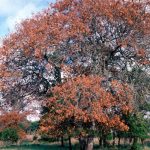
Emerald Ash Borer in St. Louis, MO: When to Treat or Remove Ash Trees

Emerald Ash Borer in St. Louis, MO: When to Treat or Remove Ash Trees

Key Takeaways Emerald ash borer (EAB) has killed the vast majority of untreated ash trees across the greater St. Louis region since it was first confirmed in Missouri, and infested trees that go untreated typically die within two to four years. Early-stage infestations, generally those affecting less than 30 to 50 percent of the canopy, […]

Continue reading from Emerald Ash Borer in St. Louis, MO: When to Treat or Remove Ash Trees

Why Aging Silver Maples Are a Growing Risk for Older Breckenridge Hills Homes

Why Aging Silver Maples Are a Growing Risk for Older Breckenridge Hills Homes

Key Takeaways Aging silver maples can become a serious liability around older Breckenridge Hills homes because their fast-growing wood is relatively soft and brittle. Weak branch unions, codominant stems, old pruning wounds, internal decay, and storm damage can increase the likelihood of limb or trunk failure. Silver maple roots are often shallow and spreading, which […]

Continue reading from Why Aging Silver Maples Are a Growing Risk for Older Breckenridge Hills Homes

Can Root Fertilization Save a Declining Tree? What St. Louis Arborists Look For First

Can Root Fertilization Save a Declining Tree? What St. Louis Arborists Look For First

Key Takeaways Root fertilization can meaningfully help a declining tree, but only when nutrient deficiency is actually the underlying cause, which isn’t the case for many struggling trees. Common causes of tree decline in the St. Louis region, including soil compaction, drought stress, girdling roots, and disease, don’t respond to fertilization the way a simple […]

Continue reading from Can Root Fertilization Save a Declining Tree? What St. Louis Arborists Look For First