Yes, a tree can recover after its root zone has been compacted by construction equipment, but recovery depends on the severity of the damage, tree species, and overall health. Soil compaction reduces the space available for air and water, restricting root growth and nutrient uptake. An arborist can assess the damage and recommend measures such as carefully loosening compacted soil, applying organic mulch, and improving soil conditions.
It is important to avoid heavy machinery and additional foot traffic around the roots during recovery. Severely compacted root zones may cause lasting damage or tree decline, even with proper care.
Appropriate soil aeration, careful watering, and root zone protection can improve growing conditions. However, severely damaged roots may not recover, and an unstable tree may require removal. A professional arborist consultation helps determine the most appropriate course of action.
How Does Construction Equipment Compact Tree Roots?
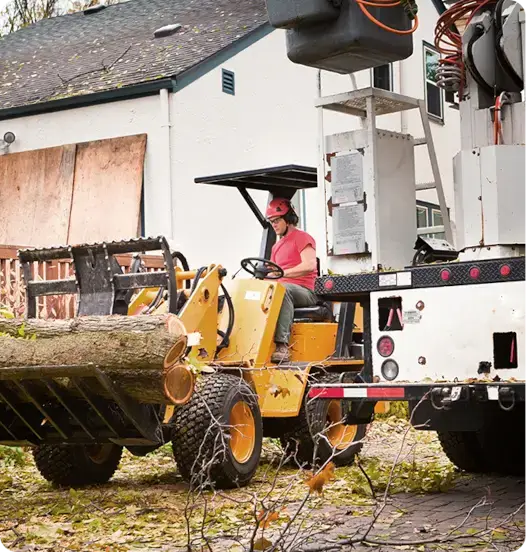
Heavy machinery compresses soil particles and reduces the spaces that normally hold air and water. Excavators, bulldozers, dump trucks, and other construction vehicles can cause significant compaction when they repeatedly travel over the ground beneath a tree’s canopy.
Tree roots need oxygen for respiration and suitable soil conditions to absorb water and nutrients. When machinery compresses the soil, it reduces pore space and can restrict root growth. Many absorbing roots grow relatively close to the surface, making them vulnerable to construction traffic. Excavation, soil stockpiling, and changes in ground level can also damage roots or alter drainage.
These changes may cause gradual decline even when a tree looks healthy immediately after construction.
What Are the Early Signs of Soil Compaction Damage?
Soil compaction can cause thinning foliage, smaller leaves, reduced twig growth, premature leaf drop, and branch dieback. These symptoms may develop months or years after construction, so property owners should monitor trees even when damage is not immediately apparent.
A damaged root system may struggle to supply enough water and nutrients to the canopy. The tree may produce less new growth, develop discolored leaves, or lose branches progressively. Water may also pool around the tree after rainfall because compacted soil absorbs it slowly.
However, these symptoms can indicate drought, disease, pests, or other environmental stresses. Our guide to the signs of tree disease covers some of those overlapping causes. An arborist should examine the tree, soil, and drainage before attributing the decline to compaction.
How Can You Repair Compacted Soil Around Established Trees?
Treatment depends on the depth and severity of compaction, the tree’s condition, and the surrounding soil. An arborist may recommend targeted aeration, soil improvement, appropriate mulching, or a combination of measures through a fertilization and soil improvement plan.
Air excavation uses compressed air to loosen soil and expose roots while reducing mechanical disturbance compared with conventional digging. The International Society of Arboriculture’s guidance on treating construction-damaged trees describes air excavation as an effective aeration method that can be combined with soil additives and organic mulch. Vertical mulching may also help improve water movement and aeration by creating narrow channels in compacted soil. The appropriate treatment depends on the specific site.
Organic mulch can help conserve moisture and gradually add organic matter. Apply it evenly over the root zone, keeping it away from the trunk and root flare. Avoid aggressive digging or tilling around established trees because these methods can damage remaining roots.
Fertilizer cannot correct compaction by itself. Our blog, Can Root Fertilization Save a Declining Tree?, explains why treatment should address the underlying cause of decline rather than assume every struggling tree needs additional nutrients.
How Long Does Root Zone Recovery Take?
Recovery may take several growing seasons, and severely damaged trees may never regain their previous condition. The timeline depends on the species, age, existing health, extent of root damage, and effectiveness of treatment.
During recovery, monitor leaf size, canopy density, new branch growth, and soil drainage. Changes may appear gradually because restoring root function takes time.
Water the tree during dry periods when necessary, but avoid keeping the soil persistently saturated. Our summer tree watering tips explain how to water deeply without overdoing it. If the tree continues to decline, arrange a follow-up assessment. Our blog on why oak trees are dying in Missouri discusses common causes of tree decline and the importance of identifying the underlying problem.
How Can You Prevent Root Compaction During Construction?
Prevention is generally more effective than trying to reverse extensive root damage after construction. Property owners and contractors should identify trees to preserve and establish protected areas before machinery arrives.
Install sturdy fencing around the designated root protection area. Keep construction vehicles, building materials, excavated soil, and waste outside the enclosure. The required boundary depends on the tree’s size, species, root distribution, condition, and site constraints. The ISA’s guide to avoiding tree damage during construction recommends having an arborist define this tree protection zone early in the planning phase.
Keep heavy machinery away from established roots wherever possible. If vehicles must cross near protected trees, consult an arborist about suitable ground protection and load-distribution measures. Avoid unnecessary trenching, changes in soil grade, and alterations to drainage. Developers and property managers can coordinate this planning through our commercial tree services.
When Should a Compacted Tree Be Removed?
Compaction alone does not automatically justify removal. The decision depends on the extent of root damage, structural stability, overall health, and the consequences of a potential failure. A tree risk assessment can help weigh those factors.
Arrange a professional inspection if you notice a new or worsening lean, soil lifting around the root plate, major root damage, significant trunk defects, or extensive canopy dieback.
A tree may retain green foliage even when its structural roots have been compromised. Conversely, a stressed tree may recover if its remaining root system is functional and the underlying soil conditions improve. Our blog on what arborists look for in a leaning tree explains why root condition, soil movement, and structural stability matter when assessing a potentially hazardous tree. If an arborist determines that the tree presents an unacceptable risk, professional tree removal may be the safest option.
Restore Your Tree’s Health with Mathias Precision Tree Service
Construction-related root damage can remain hidden until a tree begins to decline. Mathias Precision Tree Service helps property owners in the St. Louis and St. Charles areas assess tree health, identify potential hazards, and understand appropriate care options.
If construction equipment has compacted the soil around your trees, contact our team at (314) 228-6510 or request an estimate. A professional assessment can help determine whether corrective treatment, continued monitoring, or removal is the most suitable option.
Frequently Asked Questions
Can a tree recover from severe soil compaction?
Some trees recover after soil conditions improve, but severe compaction and extensive root damage can cause lasting decline. An arborist should assess the tree before recommending treatment.
Can aeration tubes fix compacted soil?
Aeration tubes alone do not necessarily resolve compaction. Targeted soil aeration or air excavation may be more appropriate, depending on the tree and site conditions.
Does watering help trees with compacted roots?
Watering can reduce drought stress, but it does not remove compaction. Water infiltration and drainage should be assessed to avoid surface runoff or prolonged saturation.
Can fertilizer restore damaged roots?
Fertilizer cannot reverse physical soil compaction or repair severed roots. Apply it only when an assessment indicates that additional nutrients are appropriate.
Do mature trees face greater construction risks?
Mature trees can be difficult to restore after extensive root damage. Protecting their root zones before construction is generally more effective than attempting recovery afterwards.
When should I call an arborist?
Seek an assessment if you notice declining foliage, persistent water pooling, root damage, soil movement, or a new lean after construction. Prompt evaluation can help identify the risks and available treatment options.
Does Mathias Precision Tree Service provide tree services in Hazelwood, MO, and surrounding communities?
Yes. Mathias Precision Tree Service provides tree services in Hazelwood, MO, and serves nearby communities throughout the St. Louis area. Call (314) 228-6510 or request a free estimate to discuss your tree care needs.