Key Takeaways:
- Early Detection is Crucial: Spotting the early signs of Emerald Ash Borer can help save your ash tree through treatment.
- Woodpecker Activity: Woodpeckers feeding on the larvae under the bark is a key sign of EAB infestation.
- D-Shaped Exit Holes: The distinctive D-shaped exit holes are a surefire sign of EAB presence in your ash tree.
- Canopy Dieback: Ash trees infested by EAB will show noticeable dieback, starting from the top and moving downward.
- Professional Help is Essential: If you suspect EAB infestation, contact a certified arborist to assess the damage and suggest treatment options.
St. Charles, Missouri, is home to many ash trees that enhance the beauty and greenery of the neighborhood. However, these trees are under threat from the Emerald Ash Borer (EAB), an invasive pest that has caused devastation to ash tree populations across the country. If you’re a homeowner in St. Charles, it’s important to be aware of the signs of EAB so that you can take quick action to protect your trees.
1. What is the Emerald Ash Borer?
The Emerald Ash Borer (Agrilus planipennis) is a destructive pest that attacks ash trees. Native to Asia, it was first discovered in North America in Michigan in 2002 and has since spread throughout the United States, including Missouri. The larvae of the EAB feed on the inner bark of ash trees, disrupting the tree’s ability to transport water and nutrients. Over time, this leads to the death of the tree, often within a few years of infestation.
2. Key Signs of Emerald Ash Borer Infestation
The best way to protect your ash tree is to be able to identify the signs of Emerald Ash Borer early. These include:
Canopy Dieback
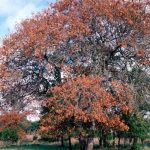
One of the first visible symptoms of an EAB infestation is the thinning of the tree’s canopy. Leaves will begin to die off, starting from the top of the tree and working downward. As the pest damages the inner bark, it disrupts the flow of nutrients and water to the upper branches, causing them to wither. If you notice your ash tree’s leaves turning brown and dropping prematurely, it could be a sign of EAB infestation.
Woodpecker Activity
Woodpeckers are one of the first creatures to notice an EAB problem. As the larvae burrow under the bark, they create tunnels, which attract woodpeckers searching for a meal. Increased woodpecker activity, especially around the trunk and main branches of an ash tree, is a significant indicator that your tree may have been infested by EAB.
D-Shaped Exit Holes
When the EAB larvae mature into adults, they exit the tree by chewing through the bark. These exit holes are distinctive—D-shaped and about 1/8-inch wide. If you spot these holes on your tree, it’s almost certain that you have an EAB infestation. This is a critical sign that the pest is active inside the tree.
S-Shaped Tunnels Beneath the Bark
As the larvae feed on the inner bark, they create winding S-shaped tunnels. These tunnels disrupt the flow of nutrients, leading to the tree’s decline. If you peel back some bark on a section of the tree and see these distinctive tunnels, you should immediately consult with an arborist.
Bark Cracking and Sprouting
In severe cases, the tree’s bark will begin to crack, revealing the damage caused by the feeding larvae. You may also see the formation of new shoots or sprouts at the base of the tree, as the tree attempts to survive the infestation. These sprouts are a sign that the tree is struggling and may not survive much longer without intervention.
3. What Happens When an Ash Tree is Infected?
If left untreated, an ash tree infected by the Emerald Ash Borer will eventually die. This process can take 2 to 4 years, depending on the size of the tree and the extent of the infestation. Early signs of damage may be subtle, but as the pest continues to feed, the tree’s condition will rapidly decline. Once the infestation becomes severe, the tree may become structurally unstable and pose a safety hazard to your property.
4. Treatment Options for Emerald Ash Borer
If you spot the early signs of EAB, you can take several steps to protect your tree, including:
Insecticides
There are several insecticides available that can help manage Emerald Ash Borer infestations. These insecticides work by targeting the larvae and preventing them from feeding on the tree’s inner bark. Treatments can be applied by a certified arborist, either through soil injections or trunk sprays.
Tree Removal
In cases where the infestation is severe, tree removal may be the best option. EAB can quickly kill a tree, and a dead tree can become a hazard, particularly in residential areas. Removing the tree prevents further damage and reduces the risk of the pest spreading to other trees.
Monitoring and Ongoing Care
Once an EAB infestation is treated, it’s essential to monitor the tree regularly for signs of new infestations. This can include the inspection of leaves, bark, and woodpecker activity. In some cases, ongoing care, such as pruning and proper watering, can help the tree recover and reduce the risk of future infestations.
5. How to Prevent Emerald Ash Borer Infestation
Prevention is always better than cure, and there are several steps you can take to reduce the risk of EAB infestation:
a.) Inspect Trees Regularly
Conduct regular checks of your ash trees for the signs of EAB. Early detection can save your tree and prevent the spread of the pest.
b.) Avoid Moving Firewood
EAB can spread when infested firewood is transported from one area to another. Always avoid moving firewood, and purchase it locally if you need it for your home.
c.) Remove Infected Trees
If you have ash trees that are showing signs of EAB, remove them promptly to reduce the risk of the infestation spreading to healthy trees.
6. Why You Should Hire a Professional Arborist
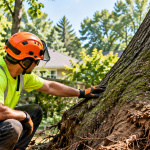
While some homeowners attempt to manage EAB infestations themselves, it’s always best to work with a professional arborist. Certified arborists are trained to identify EAB infestations and determine the best course of action. Arborists can also apply treatments safely and effectively, ensuring that your trees are protected without causing harm to the environment. They are also skilled in pruning, tree removal, and restoration, providing comprehensive care for your trees throughout their lifecycle.
If you suspect your trees are showing signs of Emerald Ash Borer infestation, don’t wait until it’s too late. Mathias Precision Tree Service offers a full range of professional tree services, including tree removal, tree pruning, tree trimming, emergency tree services, arborist consultations, stump grinding, and commercial tree service throughout St. Charles and the Greater St. Louis area. Our team of certified arborists has extensive experience dealing with pest infestations, including EAB, and can provide expert guidance on treatment options, from insecticide applications to tree removal.
Whether you need a thorough inspection or immediate intervention, Mathias Precision Tree Service is available to protect your trees. Call (314) 228-6510 for a free estimate and ensure your ash trees are healthy and thriving.
Frequently Asked Questions by Homeowners in St. Charles, Missouri
1. How do I know for sure if my tree is an Ash tree in St. Charles, Missouri?
Ash trees have an “opposite” branching pattern (limbs grow directly across from each other), and compound leaves with 5 to 11 leaflets. The bark on mature trees typically has a distinct diamond-shaped pattern.
2. Is it too late to save my tree if it already has EAB in St. Charles, Missouri?
It depends on the canopy. Generally, if a tree has lost more than 50% of its canopy to EAB, it is usually too far gone to save. If it has lost less than 30%, it is a great candidate for treatment.
3. How much does EAB treatment cost in St. Charles, Missouri?
Costs vary based on the size of the tree and the application method. Trunk injections are common and usually need to be repeated every two years. We provide free estimates to give you an exact quote.
4. Can EAB spread to my other non-ash trees?
No. The Emerald Ash Borer is host-specific, meaning it only attacks ash trees. Your oaks, maples, and elms are safe from this specific pest.
5. Why are D-shaped holes so important for identification?
Other native borers leave round or oval holes. The “D” shape is unique to the Emerald Ash Borer, making it a definitive “smoking gun” for infestation.
6. What is “blonding” on an ash tree?
“Blonding” occurs when woodpeckers strip away the dark outer bark to find larvae, revealing the lighter, “blonde” inner wood. It is a very visible sign of a heavy infestation.
7. Should I remove a healthy ash tree before it gets infested in St. Charles, Missouri?
Not necessarily. If the tree is valuable to your landscape, you can start preventative treatments. However, if you don’t plan to treat it, removal might be proactive.
8. Can I use store-bought pesticides to treat EAB in St. Charles, Missouri?
Consumer-grade soil denches are available, but they are often not strong enough for large trees or heavy infestations. Professional trunk injections are much more effective.
9. When is the best time of year to treat for EAB?
Mid-spring to early summer is the most effective time for treatment, as the tree is actively taking up water and nutrients.
10. Is the wood from a removed ash tree safe to use as firewood?
Only if you keep it local! You should never move ash firewood out of your area, as this is how EAB spreads to new, uninfested neighborhoods.
Summary Checklist: Emerald Ash Borer in St. Charles
| Condition | Risk Level | Recommended Action |
| Visible D-shaped exit holes | High | Contact an arborist to confirm and treat early |
| Canopy thinning or dieback | High | Immediate assessment for treatment or removal |
| Woodpecker activity | Moderate to High | Inspect tree; potential for infestation |
| S-shaped tunnels under bark | High | Potential EAB infestation; consult with a pro |
| Tree near other ash trees | High | Treat or remove to prevent spread to others |
Final Advice
Emerald Ash Borer is a growing problem that affects ash trees throughout St. Charles and many other regions. Early detection and timely intervention are essential to save your trees. Homeowners must be vigilant about inspecting their trees for signs such as canopy dieback, woodpecker activity, and D-shaped exit holes. By addressing these indicators early, you can potentially treat the infestation and prevent the spread to nearby trees.
While chemical treatments may help, tree removal is sometimes the most effective option when the damage is extensive. In either case, working with a certified arborist will ensure the best outcome for your trees, as these professionals have the expertise to provide proper care, assess risk, and apply treatments correctly.
Additionally, homeowners should consider broader management strategies, such as promoting biodiversity in their landscapes. Encouraging a mix of tree species can help prevent the loss of valuable trees in the event of an EAB infestation. The health of your local ecosystem can also benefit from good tree care practices that focus on soil health and proper watering.
Investing in your trees’ future health today can save you time, money, and trouble. With the right information and proactive care, you can help protect your ash trees and maintain a beautiful, thriving landscape.
Reviewed by a Certified Arborist
This article has been reviewed by a certified arborist to ensure all information regarding tree care and storm safety is accurate and up to industry standards.