Key Takeaways
- Trees growing too close to power lines are one of the most common safety hazards for homeowners in St. Charles County.
- Branch contact with electrical lines can cause fires, outages, property damage, and serious injury or death.
- Homeowners are usually responsible for managing trees on their property, even when power lines are involved.
- DIY tree trimming near power lines is extremely dangerous and should never be attempted.
- Proactive inspections and professional pruning significantly reduce storm damage and emergencies.
What Makes Trees Near Power Lines a Safety Risk?
Trees near power lines become a safety risk when branches grow close enough to contact electrical wires or could reasonably strike them during storms, ice events, or high winds. In St. Charles County, where mature trees and overhead utilities are common, this risk increases every year as trees continue to grow and weather patterns become more severe.
When a tree limb touches a power line, electricity can travel through the branch, energizing the tree and the surrounding ground. This creates a serious hazard for homeowners, neighbors, pets, and anyone nearby. Even without direct contact, electricity can arc through the air, making proximity alone dangerous.
Understanding when tree growth becomes a problem is the first step in preventing outages, fires, and life-threatening accidents.
Why Trees and Power Lines Frequently Conflict in St. Charles County
St. Charles County neighborhoods often feature mature trees planted decades before current utility layouts were finalized. As communities expanded, overhead power lines were installed near existing trees that were much smaller at the time.
Several local factors increase risk:
- Fast-growing shade trees are common in Missouri landscapes
- Overhead electrical distribution lines in residential areas
- Severe weather, including thunderstorms, ice storms, and straight-line winds
According to the USDA Forest Service, tree-related incidents are the leading cause of power outages across the United States. Locally, storm cleanup after severe weather frequently involves fallen limbs and trees tangled in electrical lines. USDA Forest Service Trees & Outages.
As trees age and expand their canopy, branches naturally grow toward open space, which often means directly toward utility corridors.
The Serious Dangers of Trees Growing Near Power Lines
Electrocution Hazards
Electricity does not require direct contact to be deadly. According to the Electrical Safety Foundation International, you do not have to touch a power line to be in danger. High-voltage electricity can jump to anyone who gets too close, and you should stay at least 10 feet away from power lines and any objects they may be touching. This means anyone standing near a tree in contact with a power line is at risk, even if they never touch the wire itself.
Fire Risk
Branches rubbing against power lines can wear down insulation over time. Sparks or heat buildup can ignite dry wood, leaves, or nearby structures. During drought conditions or high heat, this risk increases significantly.
Property Damage
When limbs fall on service lines, they often pull:
- Weatherheads off homes
- Meter bases from siding
- Anchors and conduits from walls
Repairs can be costly and may require coordination between electricians, utility providers, and tree professionals.
Blocked Access and Delayed Emergency Response
Downed trees and power lines can block roads, driveways, and sidewalks. This can delay emergency responders and utility crews during storms when time is critical.
How Close Is Too Close to a Power Line?
Clearance distances depend on voltage and line type, but general safety standards apply.
For most residential distribution lines:
- Trees should maintain at least 10 feet of clearance
- No branches should overhang lines
- Clearance should account for future growth and movement
Higher voltage transmission lines require significantly greater distances. But these standards focus on protecting the line, not preserving tree structure or aesthetics.
A tree that appears safely distant in calm weather can become hazardous during wind, ice accumulation, or heavy rain.
Who Is Responsible for Tree Trimming Near Power Lines?
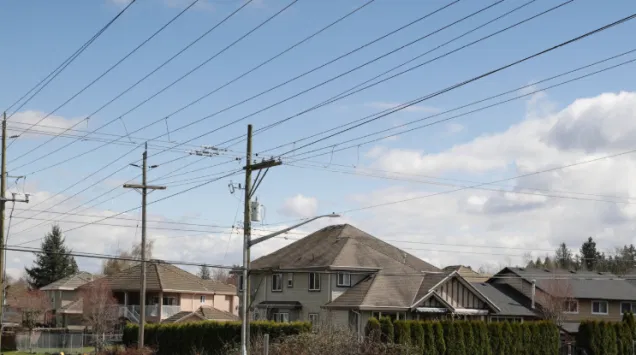
Responsibility is often misunderstood and can lead to dangerous assumptions.
Homeowner Responsibility
Homeowners are generally responsible for:
- Trees located on their property
- Branches threatening the service line from the pole to the house
- Preventing foreseeable hazards caused by tree growth
Failure to address visible risks can expose homeowners to liability if damage or injury occurs.
Utility Company Responsibility
Utility providers typically manage:
- Trees directly interfering with primary distribution lines
- Line clearance within public rights of way
Utility trimming is often aggressive and focused solely on line protection. This can leave trees unbalanced or stressed, which may create future hazards.
Why DIY Tree Trimming Near Power Lines Is So Dangerous
Tree trimming is already one of the most dangerous professions. Adding electricity dramatically increases the risk.
Common homeowner mistakes include:
- Using metal ladders near energized lines
- Underestimating branch weight and movement
- Assuming insulation makes lines safe
- Failing to account for wind or tool contact
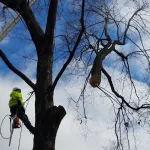
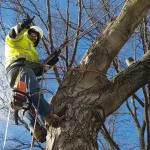
Professional arborists receive specialized training in electrical hazard awareness and use equipment designed for these conditions. Even then, some situations require coordination with utility crews to temporarily de-energize lines.
Warning Signs Your Tree Is a Power Line Hazard
Trees rarely fail without warning. Common red flags include:
- Branches touching or brushing lines in the wind
- Limbs hanging directly above power lines
- Trees leaning toward poles or wires
- Cracks, splits, or decay in large limbs
- Rapid seasonal regrowth toward utilities
In established neighborhoods throughout St. Charles County, aging trees often show these warning signs long before failure occurs.
Storm Season and Increased Risk
Storms dramatically increase the likelihood of tree-related power incidents.
Thunderstorms bring:
- High winds that cause limbs to sway into lines
- Heavy rain that weakens root systems
Ice storms add significant weight to branches, often causing sudden breakage. Even healthy trees can fail under ice loads.
Many emergency calls following storms involve trees that had pre-existing structural issues. Proactive maintenance before storm season greatly reduces emergencies.
How Professional Arborists Manage Trees Near Power Lines Safely
Professional arborists follow strict safety and industry standards.
At Mathias Precision Tree Service, safe management includes:
- Detailed tree risk assessment
- Identifying electrical hazards and required clearances
- Coordinating with utility providers when necessary
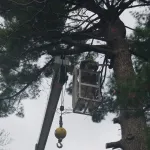
- Using insulated tools and bucket trucks
- Applying proper line clearance pruning techniques
The goal is not just immediate safety, but directing future growth away from power lines while maintaining tree health.
Tree Species That Commonly Cause Power Line Problems
Certain species are more likely to interfere with utilities due to growth rate or wood strength.
Problematic species often include:
These trees grow quickly and can become brittle with age. When planting new trees, selecting slower-growing, utility-friendly species reduces long-term risk.
Preventative Tree Care Saves Money and Reduces Risk
Preventive care is always more cost-effective than emergency response.
Recommended steps for homeowners include:
- Professional inspections every one to three years
- Early pruning of young trees to guide structure
- Removing hazardous trees before storms eexposes weaknesses
- Replacing high-risk species near utilities
Regular maintenance helps avoid outages, property damage, and emergency removal costs.
What Happens If a Tree Takes Down a Power Line?
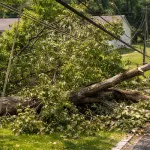
When a tree or large limb brings down a power line, the situation immediately becomes a public safety emergency. Downed lines may still be energized, even if the power appears to be out. Anyone approaching the area risks electrocution through direct contact or through the ground itself.
In St. Charles County, these incidents often result in road closures, delayed emergency response, and extended outages. Utility crews must first secure the electrical hazard before any tree work can begin. This can significantly delay cleanup, especially during widespread storm events when crews are already stretched thin.
Homeowners may also face unexpected costs. If a tree on private property damages service lines, meters, or neighboring structures, repairs often involve both electricians and tree professionals. Proactive pruning and risk assessment are far less expensive than emergency response after a failure.
Planning Ahead: Planting the Right Trees Near Utilities
Many power line conflicts start years earlier at the planting stage. Homeowners often choose fast-growing or large shade trees without considering their mature height and canopy spread. Over time, these trees naturally grow toward available space, which frequently means overhead utility lines.
When planting near utilities, selecting smaller ornamental or slow-growing species greatly reduces future risk. Trees with mature heights under 25 feet are generally more suitable beneath or near residential power lines. Proper placement also matters, as even small trees planted too close can become hazards as they age.
Professional arborists can help homeowners plan landscapes that balance shade, aesthetics, and safety. Thoughtful planting decisions today prevent decades of pruning conflicts, reduce outage risk, and protect both trees and infrastructure over the long term.
Frequently Asked Questions
Is it safe to trim a tree if it is close to a power line?
No, trimming trees near power lines is extremely dangerous and should never be done by homeowners. Electricity can arc several feet, even without direct contact. Only trained professionals with proper equipment should handle these situations.
Will the utility company remove a tree on my property?
Utility companies typically only address trees directly interfering with their main lines. They do not usually remove private trees unless there is an immediate threat to service. Homeowners are responsible for most tree maintenance.
How often should trees near power lines be inspected?
Trees near power lines should be professionally inspected every one to three years. Fast-growing species or trees with known issues may need more frequent evaluation. Regular inspections help identify risks before they become emergencies.
Can a tree cause a fire if it touches a power line?
Yes, branches contacting power lines can generate heat or sparks. This can ignite dry wood, leaves, or nearby structures. Fire risk increases during hot, dry, or windy conditions.
Why Local Homeowners Trust Mathias Precision Tree Service
Mathias Precision Tree Service understands the unique challenges of managing trees near power lines in St. Charles County. Our experience with local species, soil conditions, and storm patterns allows us to provide practical, safety-focused solutions.
We prioritize long-term tree health, code compliance, and homeowner safety. Whether addressing an immediate hazard or planning preventative care, our approach is precise and professional.