Top 3 Trees to Prune This Winter in Missouri
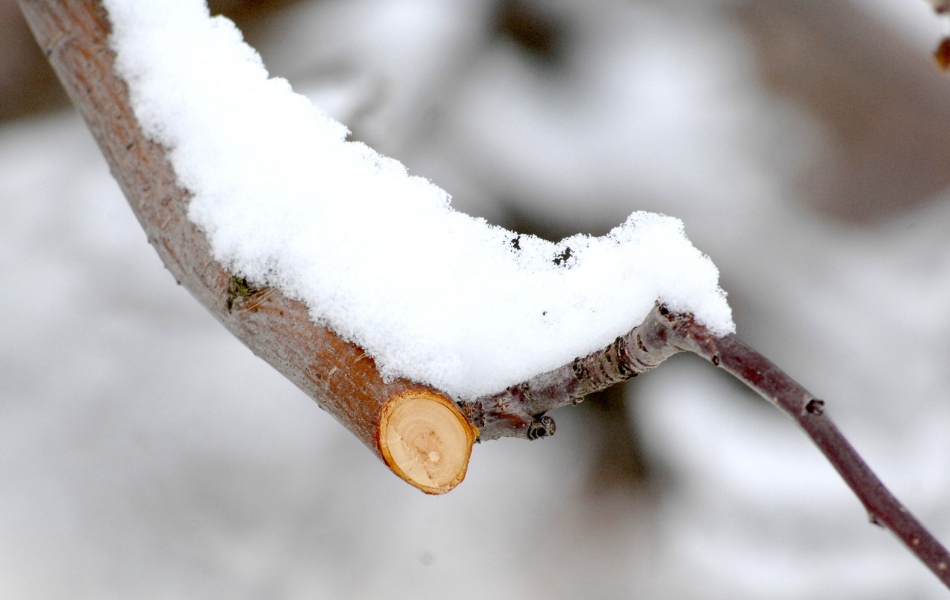
Turn winter downtime into tree-care season. Pruning Missouri ash, oak, and elm trees now builds strength, prevents disease, and brings vibrant spring growth.
When winter arrives in St. Charles County, many property owners think tree care season is over. But for oak, ash, and elm trees, winter is actually the most critical pruning period. These three species face serious disease threats during the growing season that make spring and summer pruning potentially deadly for your trees.
Whether you’re a homeowner in an established neighborhood with mature oaks or overseeing commercial properties with a variety of different trees, understanding species-specific pruning windows can save you thousands in tree replacement costs and protect your property investment.
Key Takeaways
- Oak trees must be pruned only during winter (November through February) to prevent oak wilt disease transmission by beetles active during growing season.
- Ash trees benefit from winter pruning to avoid attracting emerald ash borer adults that are drawn to fresh cuts from May through September.
- Elm trees should also only receive winter pruning to prevent Dutch elm disease spread by elm bark beetles that feed on fresh wounds during warm months.
- Winter pruning throughout St. Louis and St. Charles Counties takes advantage of dormant tree biology for faster wound healing and reduced stress.
Which Tree Species Should Only Be Pruned During Winter in Missouri?
Oak, ash, and elm trees should only be pruned during winter in Missouri. That’s because these species share a common vulnerability: they’re all susceptible to deadly diseases spread by insects that are active during the growing season. Research confirms that timing is critical for preventing disease transmission through fresh pruning wounds.
While the primary concern of pruning timing is disease and pest prevention, there are other benefits to this timeframe as well:
- Disease-carrying beetles are dormant during cold months
- No sap flow to attract insect vectors to fresh cuts
- Wounds heal faster without active growth stress
- Clear branch structure visibility on bare trees
- Eliminates disease transmission through open wounds
Property managers and homeowners across St. Charles County have learned this lesson the hard way: a single infected oak can spread oak wilt to neighboring trees through root grafts (the underground network of connected tree roots), potentially destroying entire groves. Similarly, ash trees weakened by improper timing become easy targets for emerald ash borer, while elms face the ongoing threat of Dutch elm disease.
The Missouri Department of Conservation emphasizes that proper timing isn’t just about tree health – it’s about protecting entire neighborhood canopies and maintaining property values in communities like historic St. Charles and Lake St. Louis waterfront areas.
When to Prune Oak Trees to Prevent Oak Wilt
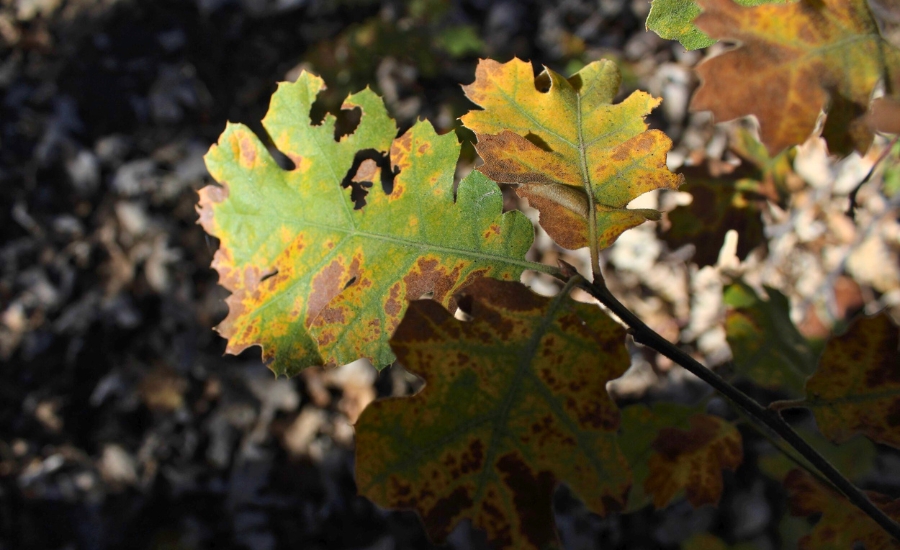
Oak wilt has become widespread across Missouri since its identification in the 1940s, making proper pruning timing absolutely critical for oak tree survival. The disease affects all oak species but hits red oaks particularly hard, often killing them within weeks of infection.
These are some of the other oaks that are particularly vulnerable to the disease:
- Pin oak
- Northern red oak
- Black oak
- White oak (more resistant but still susceptible)
When Oak Wilt Is Highest in Missouri
The high-risk period for oak wilt transmission runs from mid-March through mid-July. This coincides with the sap-feeding beetle activity when they travel to different oak trees, carrying oak wilt spores from infected trees to fresh wounds on healthy ones.
This causes a trickle-down effect where the fungal spores enter the healthy tree through pruning cuts and other wounds, triggering a rapid disease spread once established.
Expert Insight: We’ve been serving St. Charles County for over 20 years, and I’ve seen too many beautiful oak trees lost to oak wilt because they were pruned at the wrong time. At Mathias, our Certified Arborists always schedule oak work between November and February to protect our customers’ investments. Winter pruning isn’t just about timing – it’s about preserving the mature canopy that makes neighborhoods like New Town at St. Charles and O’Fallon so special. – Josh Mathias, Owner, Mathias Precision Tree Service
When to Prune Ash Trees for Emerald Ash Borer Prevention
While ash trees can technically be pruned year-round, winter pruning provides crucial protection against emerald ash borer (EAB), the devastating invasive beetle that has spread throughout Missouri since 2008. EAB has killed millions of ash trees across the state, making prevention strategies essential for tree survival.
Unfortunately, all ash species found in Missouri are susceptible including:
- Green ash
- White ash
- Blue ash
- Pumpkin ash
- Horticultural cultivars and hybrids
When EAB Is Most Active
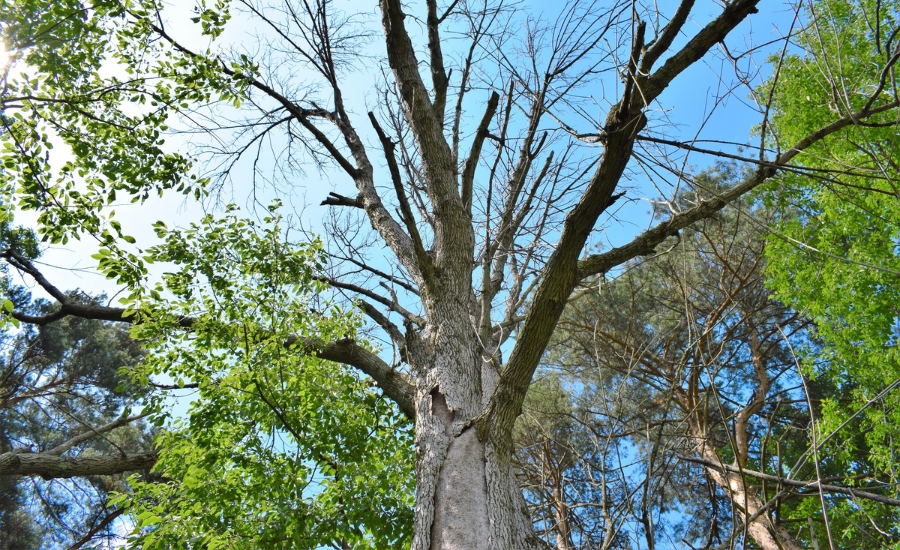
Adult emerald ash borers are most active from late May through mid-July in Missouri, emerging from infected trees to mate and lay eggs. Fresh pruning cuts during this period release sap and tree fluids that strongly attract these beetles, essentially inviting infestation.
For properties in Hazelwood and St. Peters with significant ash populations, winter pruning allows comprehensive EAB damage evaluation. D-shaped exit holes and S-shaped larval galleries are easier to spot on bare trees, helping Certified Arborists decide whether trees can be treated or need removal.
This assessment capability makes winter particularly valuable for commercial properties and large estates with multiple ash trees. Treatment decisions for valuable ash trees can be made during the dormant season, with protective injections scheduled for early spring before beetle emergence.
When to Prune Elm Trees for Dutch Elm Disease Prevention
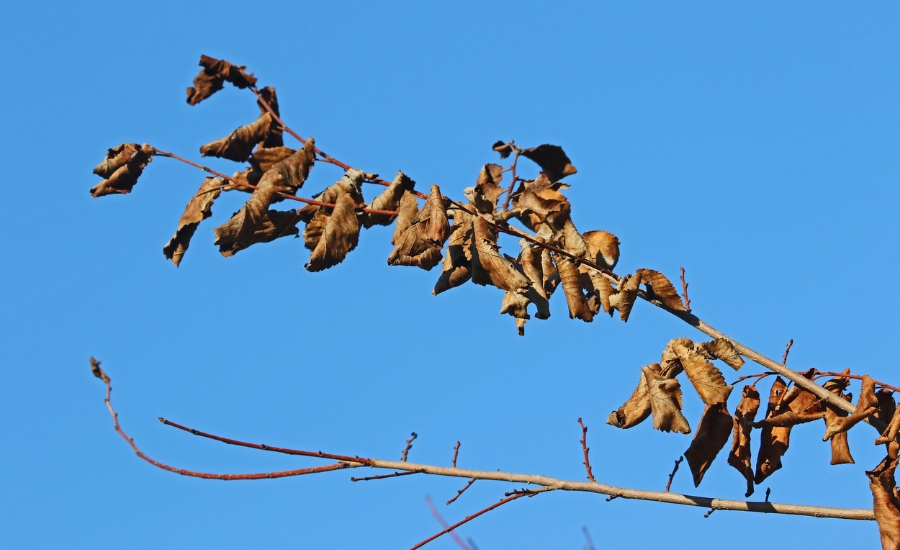
Dutch elm disease remains a significant threat to Missouri’s elm population, making proper pruning timing another critical disease prevention tool. The disease spreads through elm bark beetles that are most active during warm months, creating a similar risk pattern to oak wilt and EAB.
The following elm species are the most at risk in Missouri:
- American elm (most susceptible)
- Slippery elm
- Red elm
- Rock elm
How Dutch Elm Disease Spreads
While the primary disease vector is the feeding behavior of elm bark beetles, DED can also spread through root grafts between nearby elms, making neighborhood-wide prevention strategies important for established areas like O’Fallon subdivisions with mature elm populations. Winter pruning allows property owners to coordinate care timing across multiple trees without creating seasonal attraction points for beetles.
Coordinated Prevention Strategies:
- Synchronize pruning across adjacent properties
- Remove dead elm wood before beetle emergence
- Plan preventive treatments for high-value trees
- Assess root graft connections between elms
- Schedule proper wood disposal
For commercial facilities with multiple elms, winter pruning schedules also align well with annual maintenance planning and budget cycles, allowing for comprehensive elm care programs that include both pruning and potential preventive treatments.
Winter Pruning Schedule Comparison for Missouri Trees
Understanding the specific timing and disease risks for each species helps property owners coordinate their tree care efficiently. Use this quick reference to compare optimal pruning windows and key threats for oak, ash, and elm trees.
| Tree Species | Optimal Pruning Window | Disease Risk Period | Key Threats | Winter Benefits |
|---|---|---|---|---|
| Oak Trees | November – February | Mid-March – Mid-July | Oak Wilt (Bretziella fagacearum) | Beetle dormancy, faster wound healing, no sap attraction |
| Ash Trees | November – February | Late May – Mid-July | Emerald Ash Borer (Agrilus planipennis) | No adult beetle activity, better damage assessment |
| Elm Trees | November – February | April – October | Dutch Elm Disease (Ophiostoma spp.) | Reduced beetle feeding, elimination of breeding sites |
Notice how the disease risk periods overlap significantly during growing season, making spring and summer pruning particularly dangerous when multiple disease vectors may be active simultaneously. Property owners in St. Charles County communities can use this information to coordinate pruning schedules across different species, maximizing efficiency while maintaining safety.
Frequently Asked Questions About Winter Tree Pruning in Missouri
Can winter weather damage freshly pruned trees?
Properly made pruning cuts during dormancy actually heal faster than growing season wounds. Trees naturally compartmentalize winter cuts more efficiently, and cold temperatures reduce infection risk. Professional pruning techniques account for Missouri’s winter conditions.
Should I treat all three species the same way during winter pruning?
While all three benefit from winter timing, each species has specific considerations:
- Oaks require absolute winter-only scheduling
- Ash trees benefit from EAB assessment during pruning
- Elms need coordinated neighborhood approaches for maximum disease prevention effectiveness
How do I know if my trees already have oak wilt, Dutch elm disease, or EAB?
Each disease has distinct symptoms:
- Oak wilt causes sudden browning from crown down
- Dutch elm disease creates flagging yellow leaves
- EAB produces D-shaped exit holes in bark
However, professional diagnosis is essential as other problems can mimic these diseases.
Is it worth pruning ash trees if emerald ash borer is already in my area?
Yes, proper winter pruning combined with preventive treatments can extend ash tree life significantly. Even in EAB-positive areas, healthy ash trees with good care can survive with appropriate management strategies including systemic insecticide treatments.
Schedule Your Winter Tree Pruning with Mathias Precision Tree Service
Don’t risk your valuable oak, ash, and elm trees to improper timing. Our ISA Certified Arborists have over 20 years of experience protecting St. Charles County and St. Louis County trees through proper winter pruning.
Call 314-322-7690 for your free estimate, or request an estimate online.